
Ideas & Inspiration
15 Ideas for Landscaping with Planters, from the Front Door to the Rooftop
By Angel J. Rebolledo, General Manager · Published September 9, 2024 ·
Landscaping with planters is one of the quickest ways to add color, height, and structure to an outdoor space, even where you can’t dig. Below are 15 outdoor planter ideas, from the front door to the rooftop, each with a tip you can use on your own project. For more shapes and sizes, browse our outdoor and landscape planters.
15 Ideas for Landscaping with Planters
Idea 01
Frame the Entrance
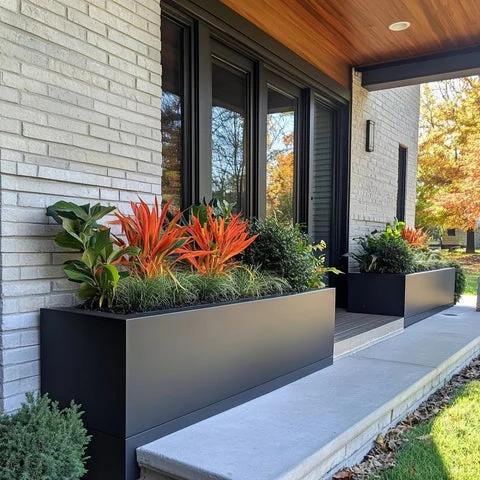
Planters at the entrance set the tone before anyone reaches the door. Matching planters arranged symmetrically create a formal look, while an asymmetrical group feels more relaxed. A pair on either side of the door reads from the street and frames it in photos. Choose a height in proportion to the door so the planters don’t look dwarfed beside it.
Idea 02
Line a Walkway or Steps
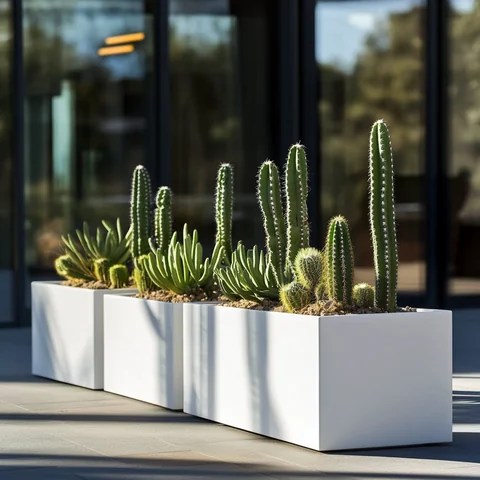
Line a front walk, backyard path, or set of steps with matching planters to guide visitors and soften hard edges. Keep one shape and finish along the run and space the planters evenly, so the eye reads them as a single line. Medium-height planters mark the path without crowding it, and trailing plants soften the edges of steps. Low rectangles suit straight paths; round planters suit curved ones.
Idea 03
Create Privacy with Tall Planters
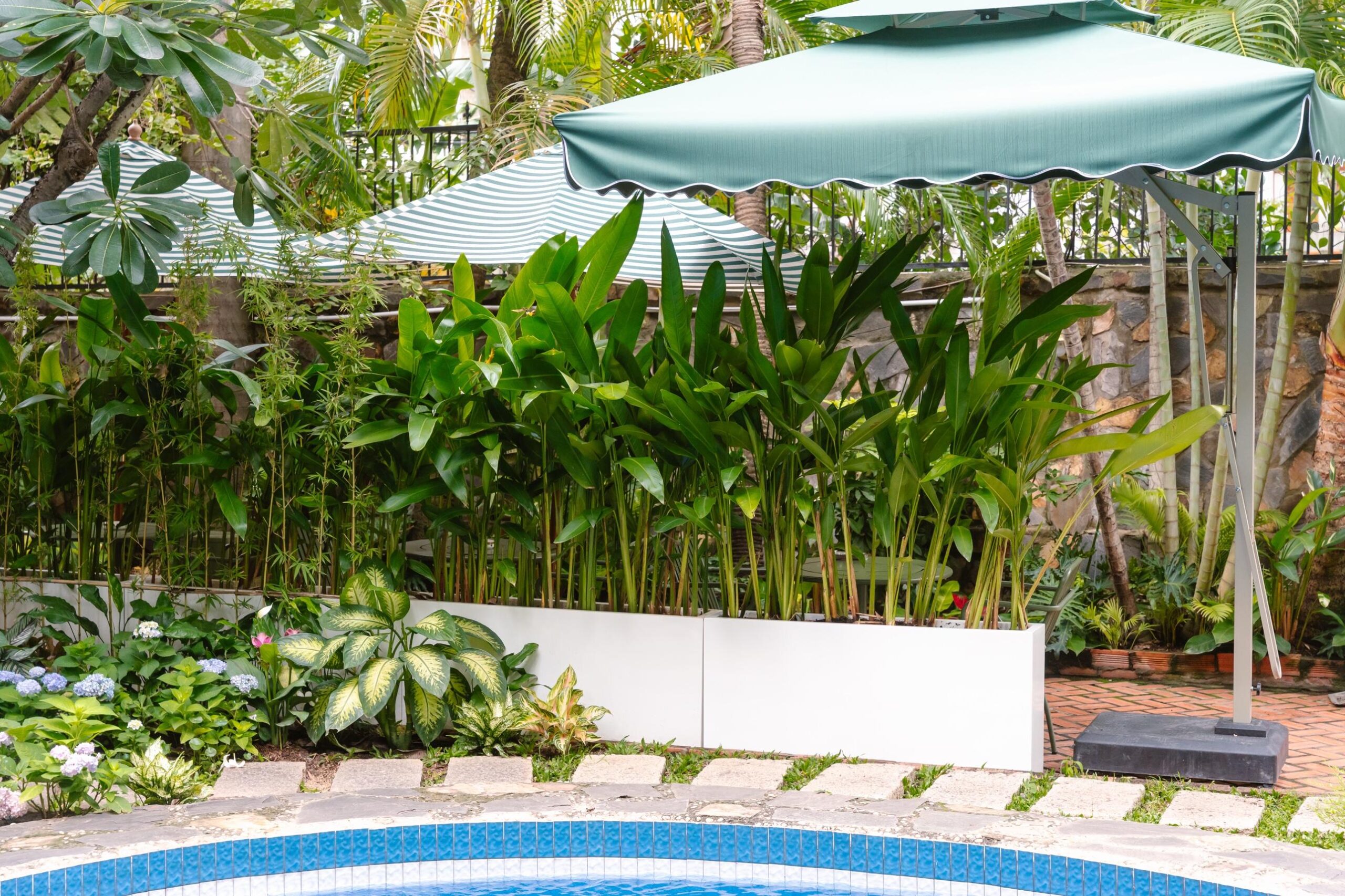
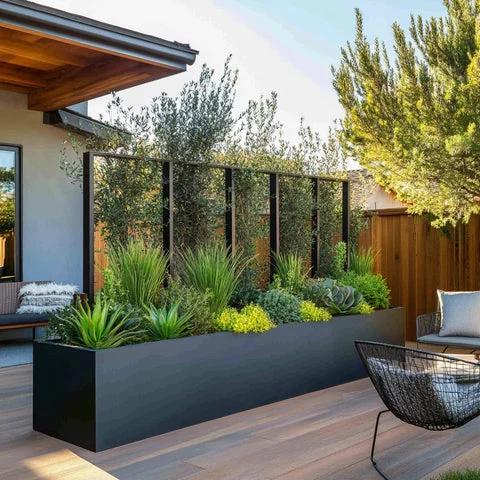
A row of tall rectangular planters filled with bamboo, ornamental grasses, or clipped evergreens screens a patio or pool from neighbors and the street, without a fence or wall. Unlike a hedge, the screen is in place the day it’s planted and can move if the layout changes. Select planters tall enough to elevate plants above seated eye level, while ensuring proper installation, adequate drainage, and ease of ongoing maintenance.
Idea 04
Divide a Patio into Zones
Planters work as natural dividers between different areas of a yard or patio, adding organization and some privacy. Place a row of narrow planters along a path to define a boundary, or set them around a seating area to make it feel separate from the rest of the space. Low, slim planters do this without blocking views, while a long planter with a trellis behind it adds height where you want more screening.
Idea 05
Soften the Edge of a Patio or Deck
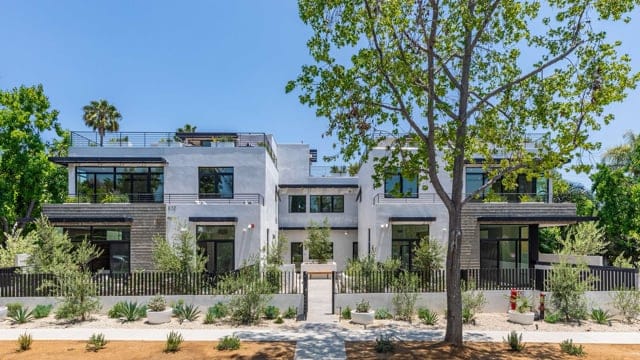
Rounded planters break up the hard lines of paving, decking, and gravel. Set them at the corners and along the edge of a seating area to tie the patio to the planting beyond. A wide, low bowl holds enough soil for trailing plants that spill over the rim, or for sculptural plants such as agaves that keep their shape all year. Repeating one bowl shape along the edge keeps the look calm.
Idea 06
Group Planters in Mixed Heights
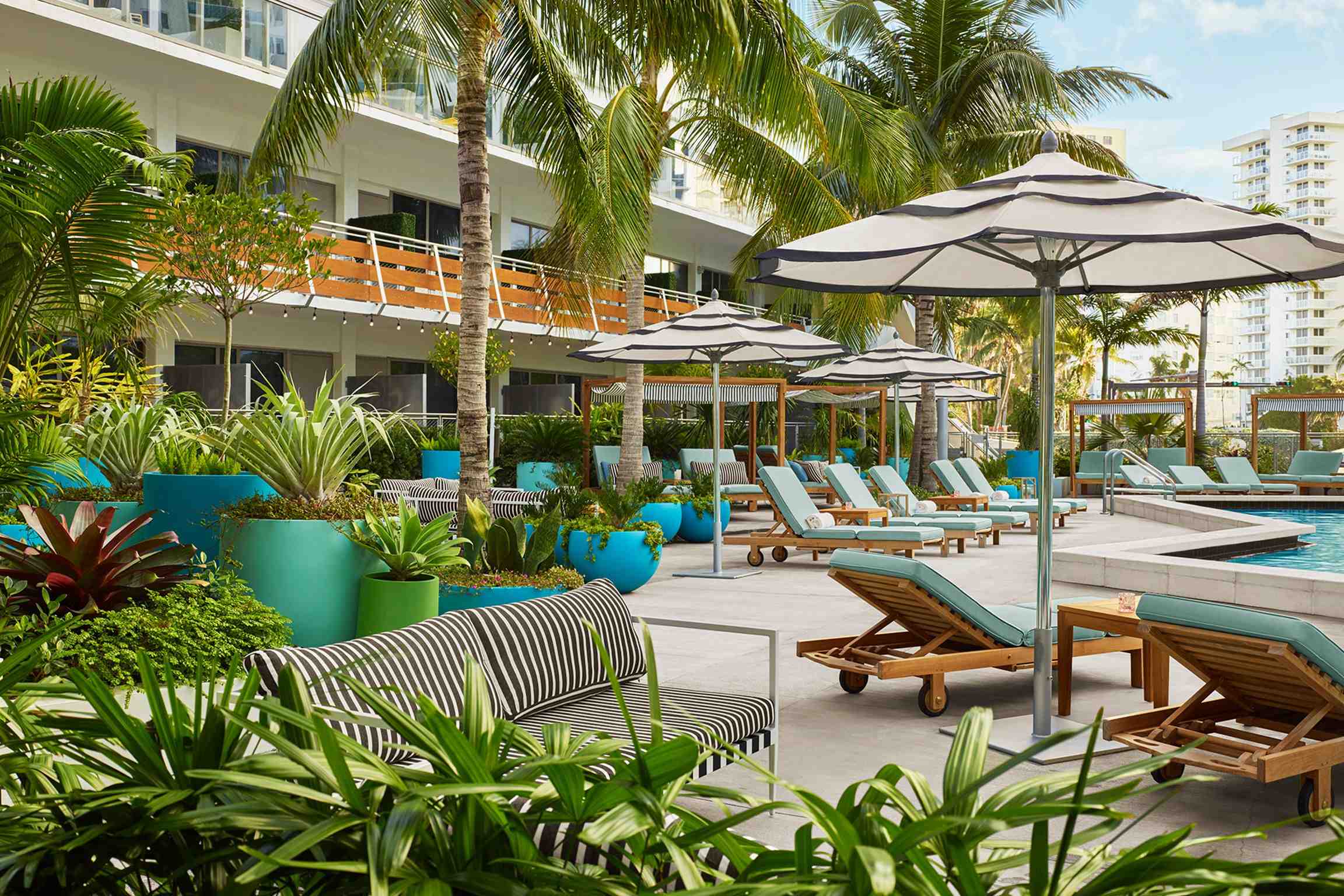
Combining planters of different heights adds depth to a corner, entry, or pool deck. Tall, narrow planters work as focal points, while shorter ones fill gaps and balance the group. Odd numbers usually look more natural than pairs, so start with three and adjust the plants to suit. Keep the group in one finish or one color family so the different shapes and sizes still read as a set.
Idea 07
Add One Statement Planter
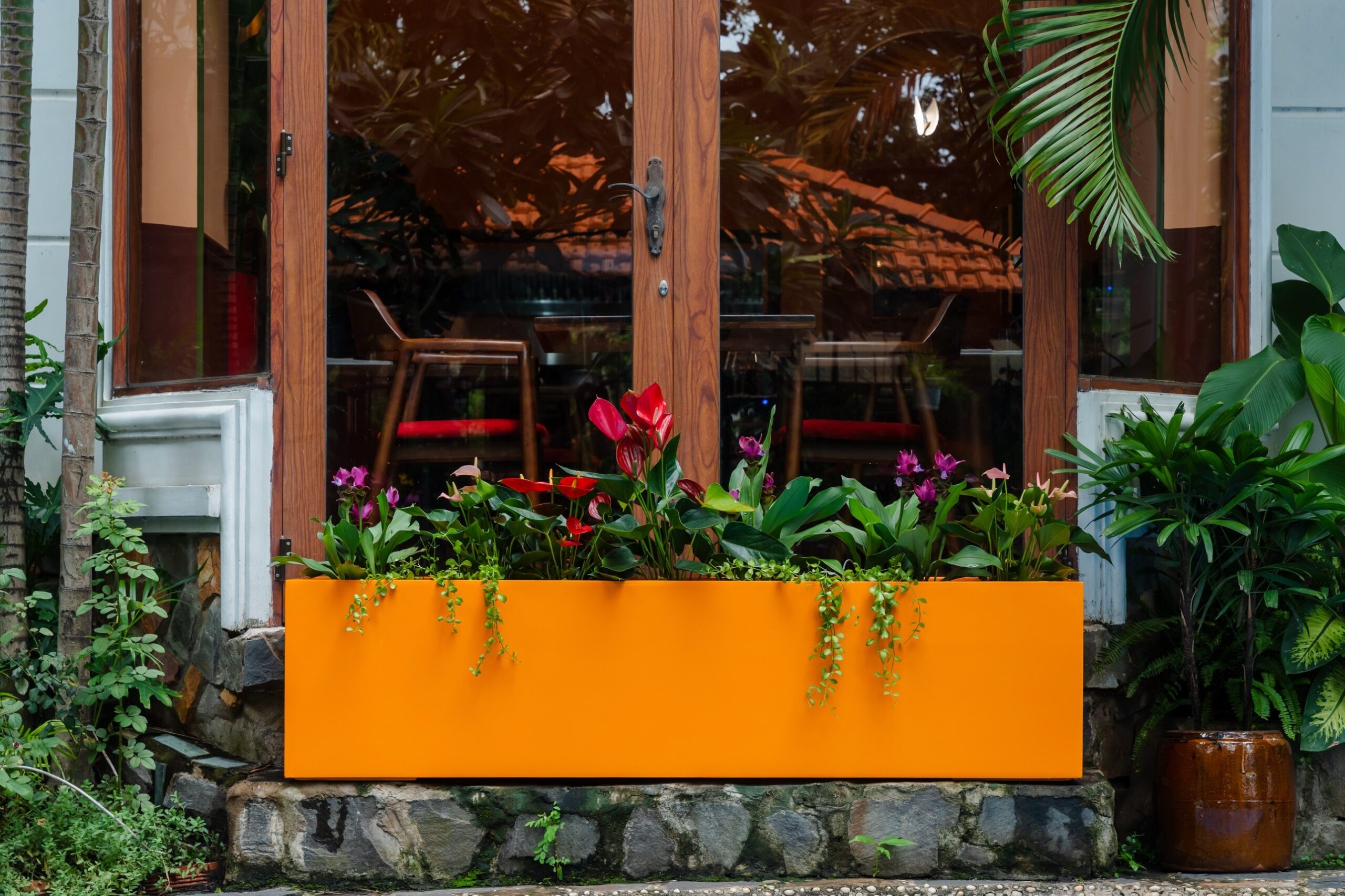
A single oversized planter with a small tree, sculptural plant, or mass of flowers gives the eye somewhere to land: the end of a path, the center of a courtyard, a bare corner, or the space below a window. Choose a simple shape in a bold finish and keep the planting around it low, so the statement planter stays the focus. A bright color against stone or wood makes the contrast stronger.
Idea 08
Plant a Color Theme
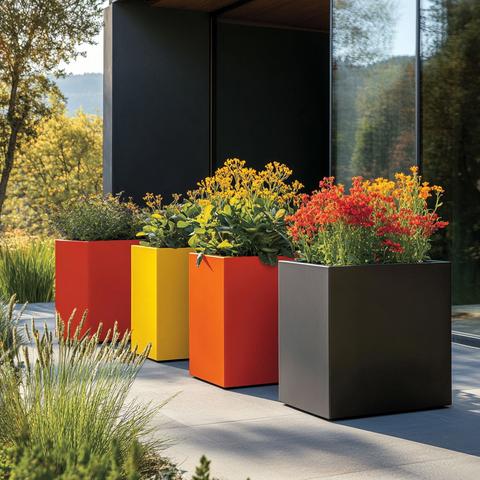
For a bold look, plant one flower color per planter, or mix hues across a group for a rainbow effect. You can also plant to a theme: palms and hibiscus for a tropical feel, cacti and succulents for a desert look, or roses and lavender for a cottage style. Matching the planter finish to the planting ties the theme together.
Idea 09
Rotate Seasonal Displays
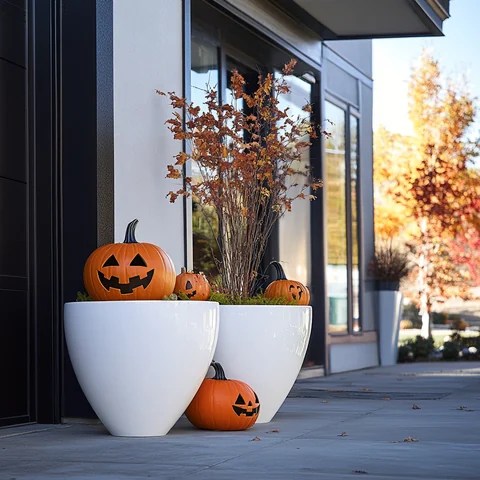
Keep planters fresh through the year by rotating what’s in them. In spring, plant colorful annuals and bulbs. In summer, switch to lush tropical plants, and in fall, display colorful foliage, branches, and fall-themed arrangements such as pumpkins at the base. Low, wide planters make replanting quick, and leaving one evergreen or structural plant in place between seasons means each change takes less soil and fewer plants.
Idea 10
Go Vertical with Wall-Mounted Planters
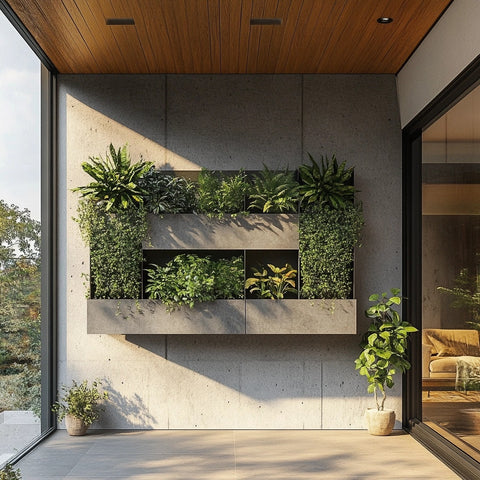
Wall-mounted planters turn a bare wall or fence into planting space, which makes them a good fit where floor space is tight. Plant them with trailing flowers for a cascade of color, or with ferns for a solid green wall. Several in a row read as one vertical garden. Hang them at different heights for a staggered look, and keep the lowest row high enough to clear furniture and foot traffic.
Idea 11
Make the Most of a Balcony
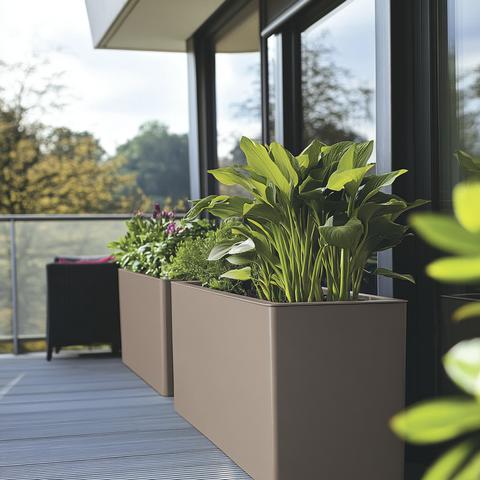
Even a small balcony can hold a garden. Narrow, tall planters and wall-mounted planters add green without taking floor space, and they keep the walkway clear. Choose plants that thrive in containers and suit your climate and the balcony’s sun and wind. Place taller planters against the wall or in corners and lower ones along the railing, so the plants frame the view instead of blocking it.
Idea 12
Accent the Pool
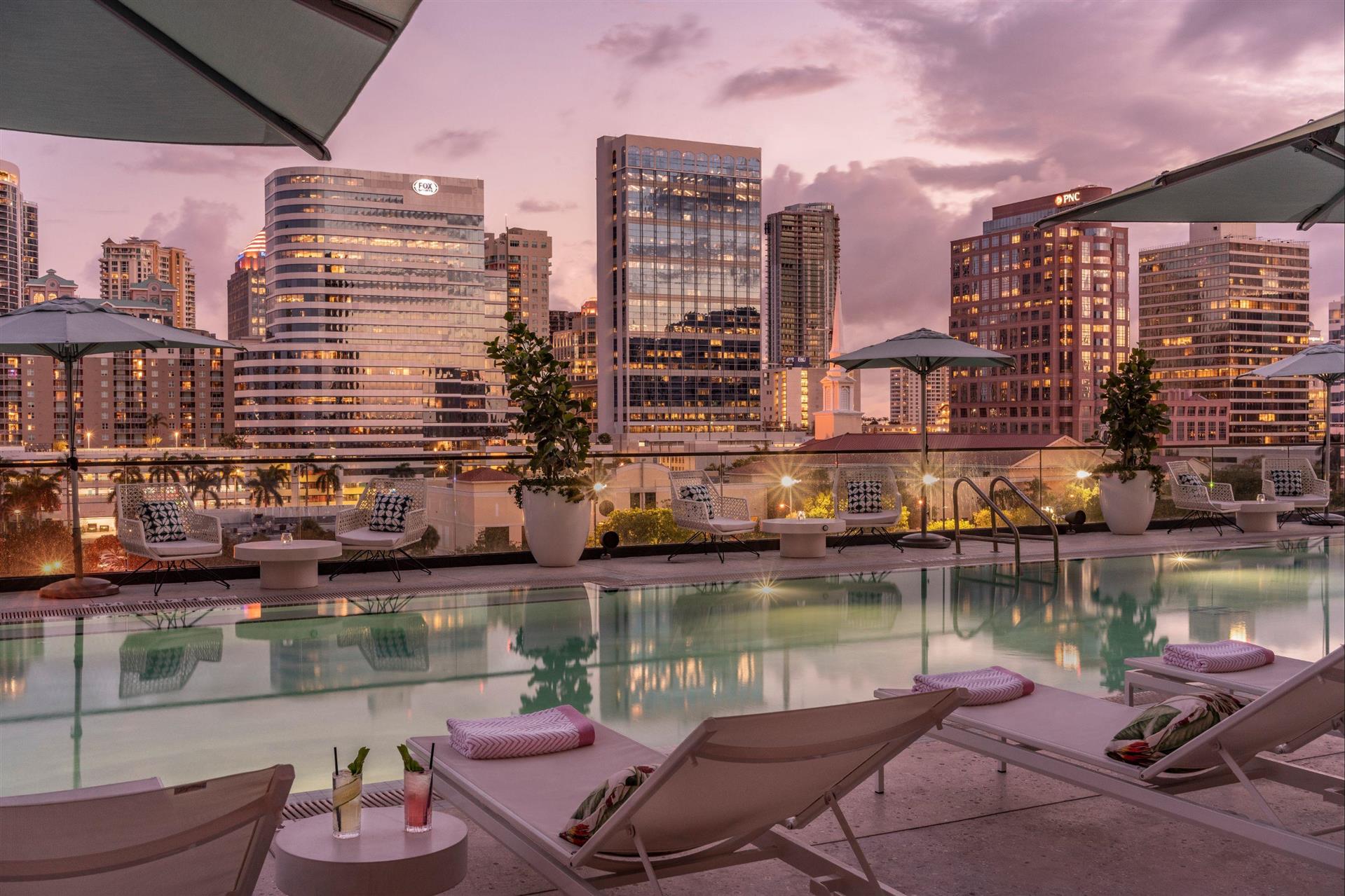
Planters bring color and shade to a pool deck where there’s no soil to plant in. Choose sun- and heat-tolerant plants such as palms or ornamental grasses, in a material that stands up to sun and splashing. Tall cylinders add height at the corners of the deck without taking up seating space, and small trees in large round planters give guests patches of shade between loungers.
Idea 13
Green a Rooftop or Terrace
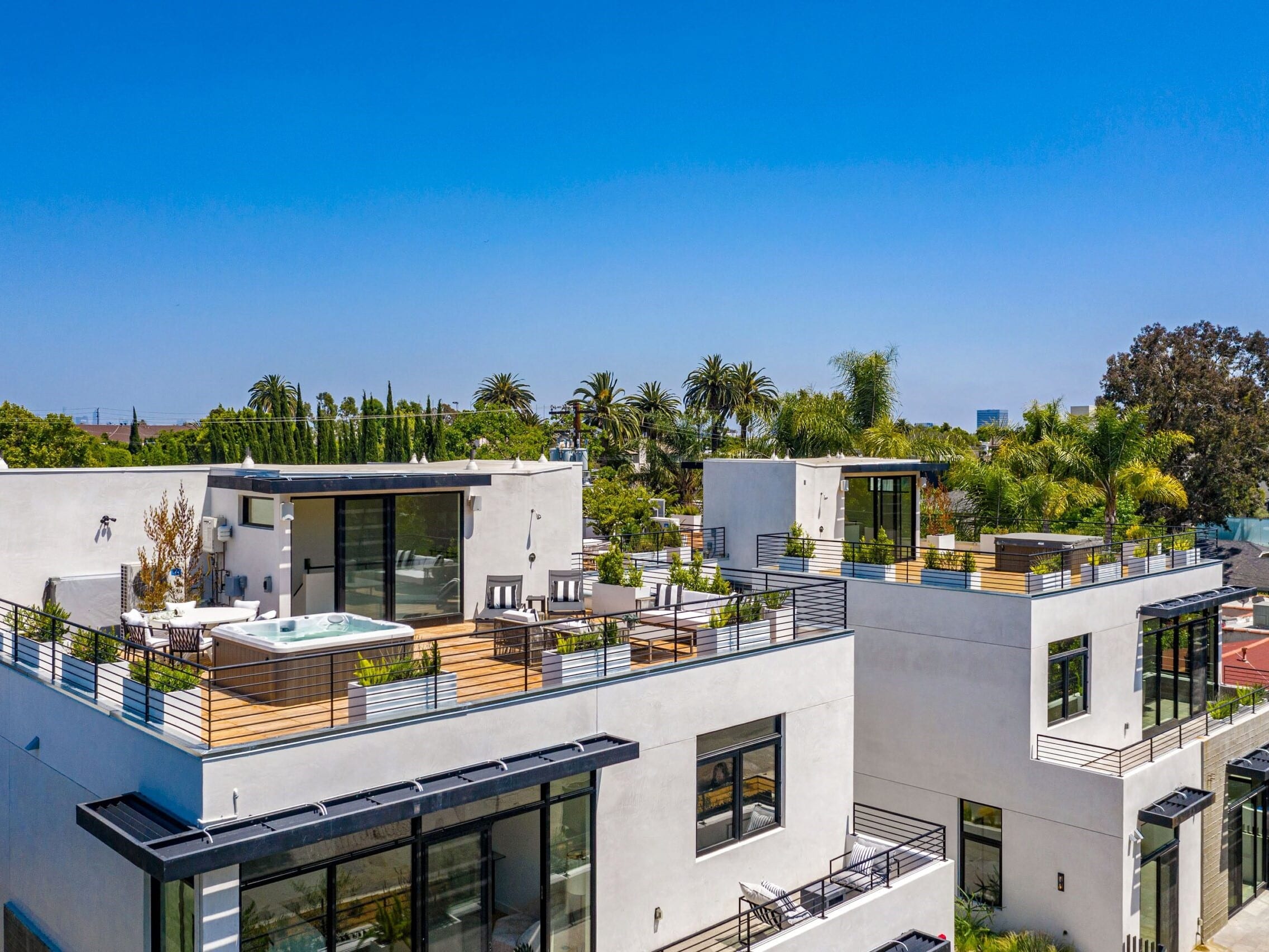
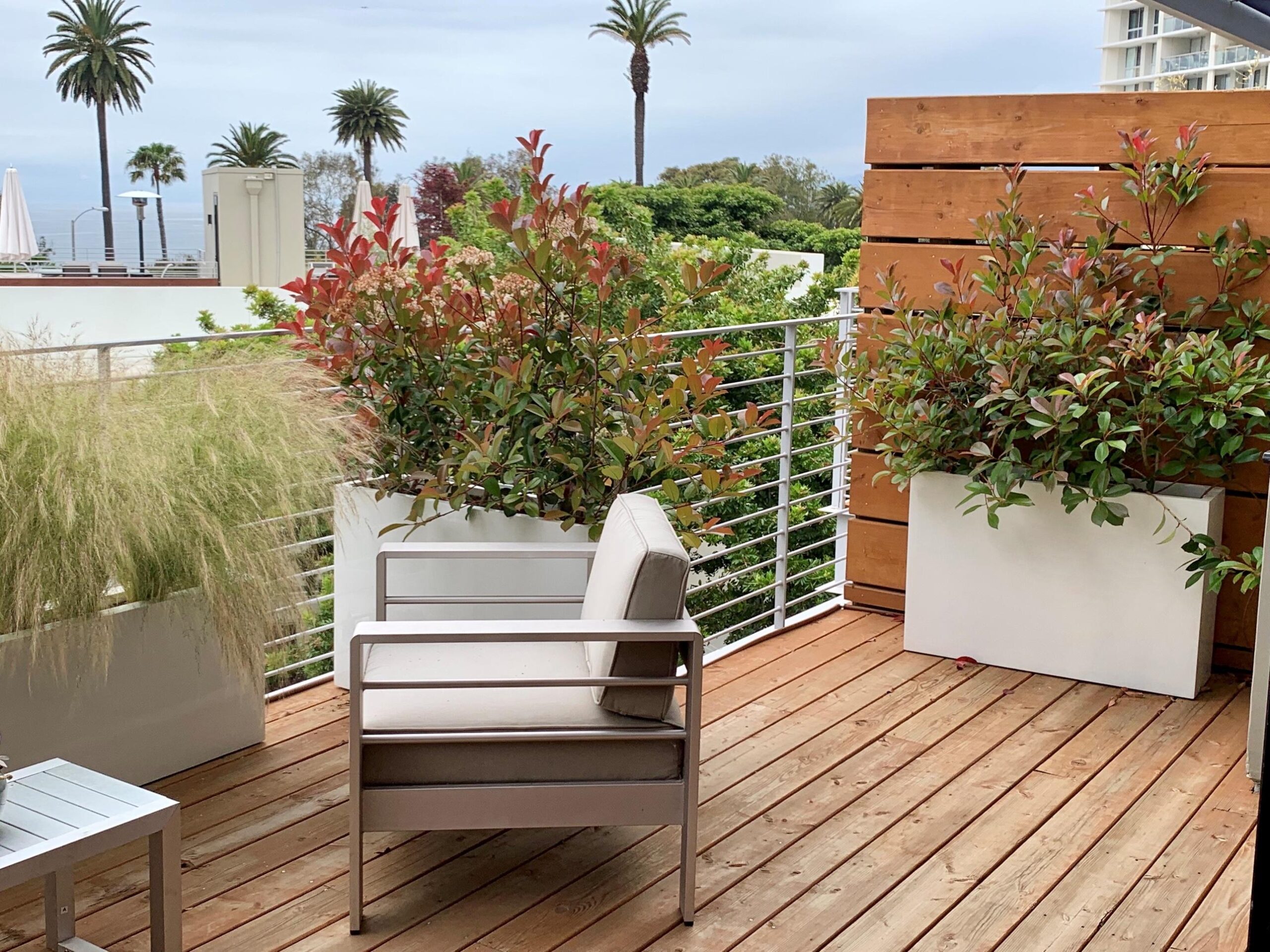
Rooftop and deck installations need four things confirmed before the planters are specified: the structural load the deck can carry with the planters filled, the wind exposure at that height, how each planter will be stabilized or anchored, and where the drainage goes. Design to the filled weight, not the weight of the empty planter. Select planters tall enough to elevate plants above seated eye level, while ensuring proper installation, adequate drainage, and ease of ongoing maintenance. Before placing large planters full of wet soil, check the roof’s load limit with a structural engineer, and plan how water will drain off the roof. Wind-tolerant plants such as grasses and compact shrubs hold up best at height.
Idea 14
Frame a Water Feature
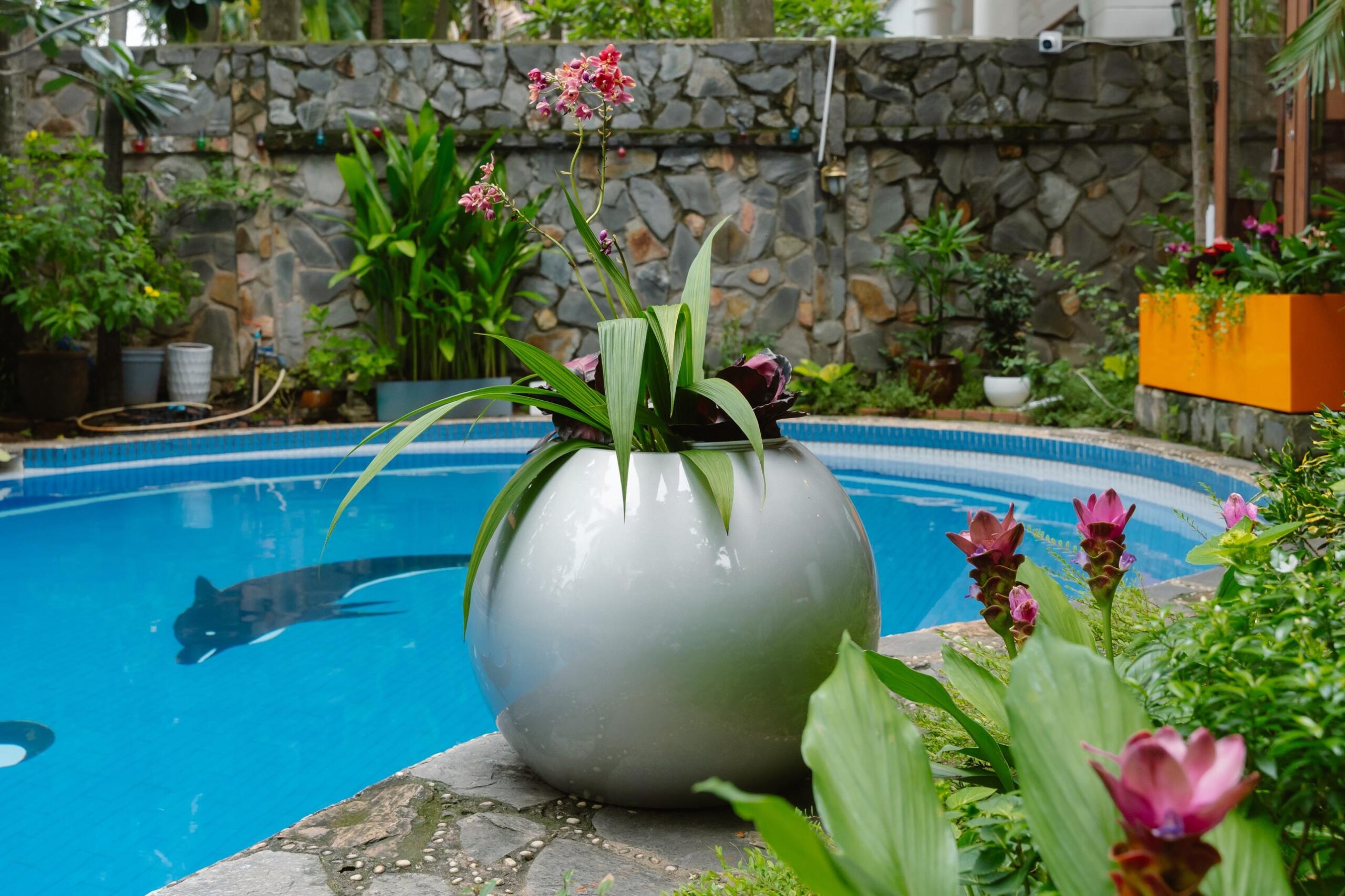
Planters set around a pool turn the water into a focal point. Repeat the curve of the pool edge with round bowls and globes, and choose plants that tolerate splash, sun, and humidity, such as bromeliads, orchids, and tropical foliage. Set the planters back from the edge so wet feet and cleaning equipment have room to pass. The mix of plants and water makes a calm spot to sit.
Idea 15
Landscape a Commercial Frontage
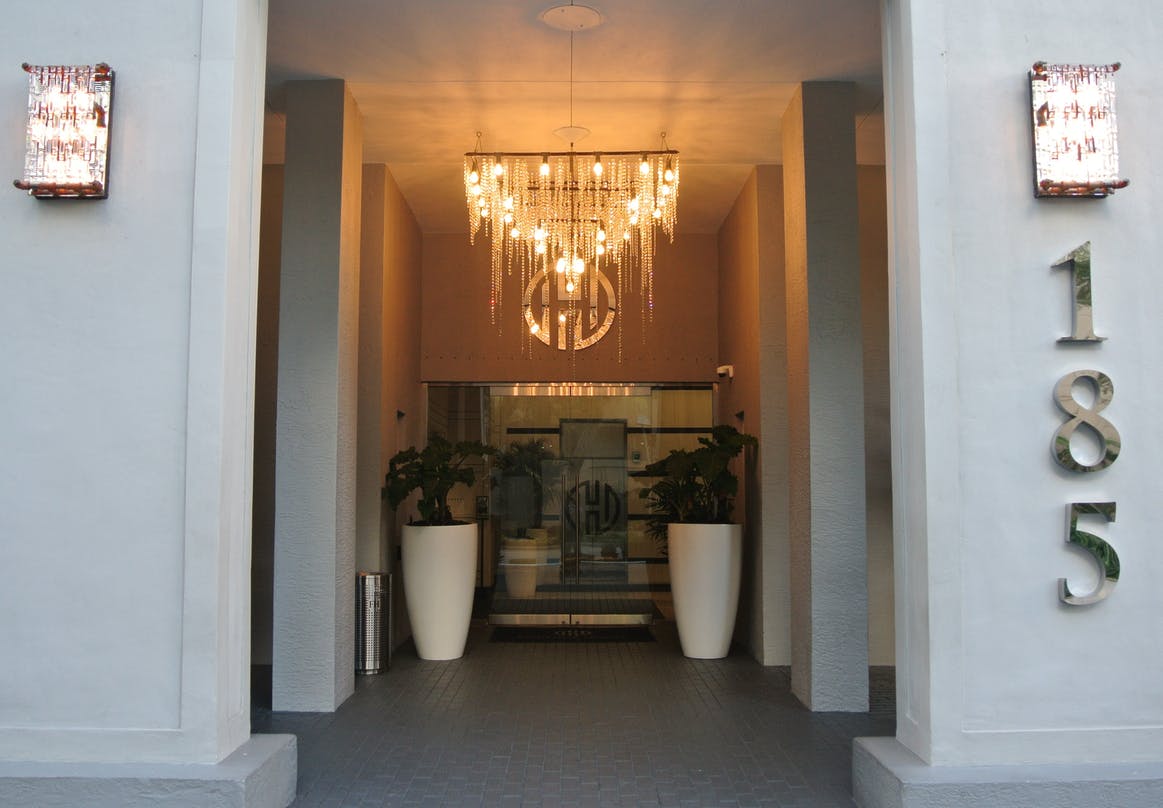
For hotels, restaurants, and offices, planters frame the entrance, define outdoor dining, and guide foot traffic, and they can move when the layout changes. A matching pair of tall planters at the door works as a welcome sign, and tall rectangles in a brand color make a living screen between the sidewalk and the patio.
Buying guide
How to Choose Planters for Landscaping
Choose landscape planters on three things: a material that suits your climate, a size that fits the plant’s mature roots, and drainage holes for outdoor use. Fiberglass is a popular outdoor choice because it’s lightweight and resists cracking and fading. Size up for trees and shrubs, and match the soil mix to the plant.
Need a size that isn’t listed? See custom planters.
Planter materials compared
| Material | Look | Strengths | Watch for |
|---|---|---|---|
| Fiberglass | Many shapes, sizes, and colors | Lightweight, durable, resists cracking and fading | Costs more upfront than plastic |
| Ceramic | Elegant, wide range of finishes | Durable | Heavy; can crack if handled carelessly |
| Terracotta | Rustic, earthy | Porous, helps regulate soil moisture | Can stain or crack over time |
| Plastic | Wide range of colors | Affordable, lightweight | Less durable, less refined |
| Metal | Sleek, modern | Durable | Can rust without maintenance |
Planter size and soil by plant type
| Plant type | Planter size | JBD example (L × W × H) | Soil mix |
|---|---|---|---|
| Annuals and perennials | Small to medium | Alzira Bowl: 23 × 23 × 22 in to 36 × 36 × 34 in | Peat moss, perlite, compost |
| Shrubs | Medium to large | Potsdam Rectangular: 36 to 72 × 16 × 32 in | Peat moss, bark, perlite |
| Trees | Large | Wannsee Extra Large Round: 39 × 39 × 34 in to 50 × 50 × 44 in | Potting soil, perlite, compost |
| Vines | Wall-mounted, or tall with a trellis | Nile Wall Planter: 12 to 36 × 5 × 8 in | Peat moss, perlite, coco coir |
| Succulents and cacti | Small to medium, shallow | Salon Narrow Low Rectangular: 36 to 48 × 8 × 8 in | Cactus and succulent mix |
Drainage and Soil
Make sure outdoor planters have drainage holes to prevent root rot, and use a well-draining potting mix made for containers. Check moisture by pushing a finger about an inch into the soil, and water when it feels dry. How often you water depends on the plant, the planter size, and the weather.
Conclusion
Start with the spots people see first, the entrance and the main path, then build out these planter landscaping ideas with privacy, a focal point, and seasonal color as the space comes together. Browse outdoor and landscape planters for every idea above, or commercial and hospitality planters for hotels, restaurants, and offices.
FAQs
Landscaping with Planters FAQs
Start where people look first: frame the entrance with a matching pair, then line paths or patio edges and add one statement planter as a focal point. Group planters in odd numbers and mixed heights, and repeat one or two finishes so the whole layout reads as one design. The same rules apply to landscaping with pots of any size.
A tree needs one of the largest planters in a range: wider than its root ball, with room for roots to grow, and wide enough to stay stable in wind. Tree-sized planters such as the Wannsee Extra Large Round go up to 50 × 50 × 44 in; see our large planters.
Yes. Fiberglass withstands harsh sunlight, rain, and frost, so planters can stay outside year-round. Drainage matters most: water that collects and freezes inside can damage any planter, so make sure water drains freely, especially where it freezes. For what’s covered, see our warranty and returns page.
Generally, yes. Outdoor planters need drainage holes so rainwater can escape and roots don’t sit in water and rot. Without them, soil becomes waterlogged after heavy rain, and in cold climates trapped water can freeze. Indoor planters still need a drainage strategy. The usual approach is to keep the plant in its nursery pot and set that inside the planter, so water drains into the liner and can be emptied rather than collecting in a sealed container. The alternative is a controlled drainage system with a reservoir and a way to check the water level. Decide which approach you are using before the planters are installed. Fill outdoor planters with a well-draining potting mix made for containers.
Angel J. Rebolledo, General Manager | Commercial Planter Applications & Operations
As General Manager, Angel oversees day-to-day operations, from manufacturing coordination and quality assurance to logistics and commercial project execution. His background spans customer service, marketing, operations and manufacturing, providing practical insight into every stage of the product lifecycle: specification, manufacture, shipment, installation and support.
Angel works directly with landscape architects, designers, contractors and commercial customers to identify tailored planter solutions. His focus remains on helping customers understand our products, select the right solution and deliver successful projects.